
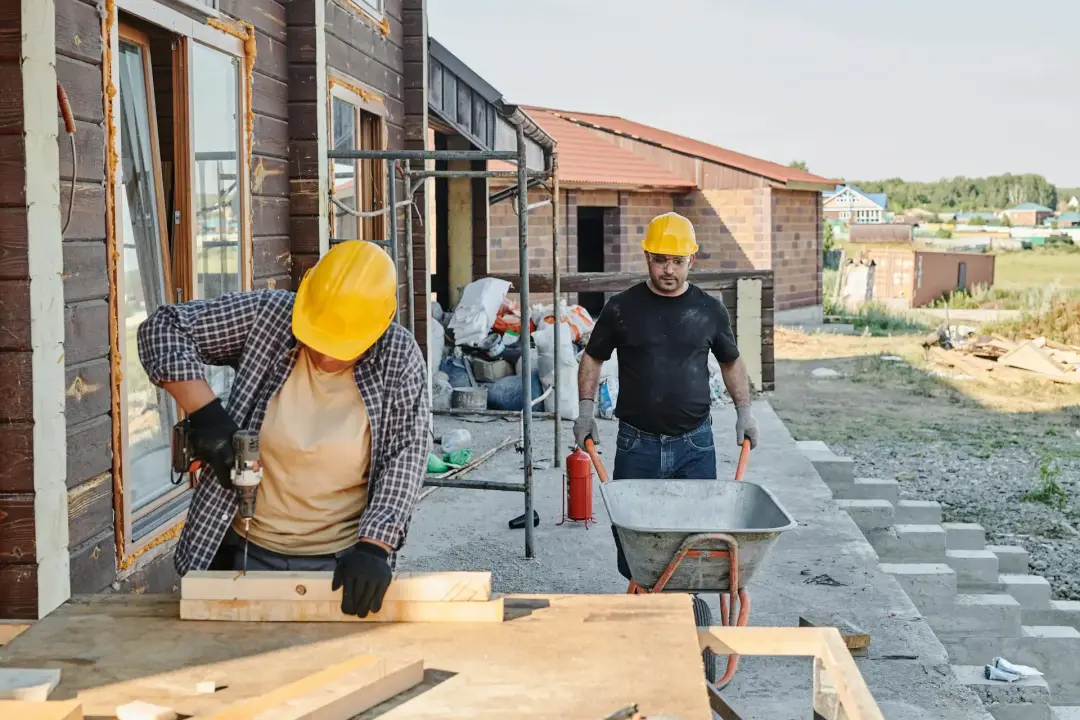
Learn How to Plan a House Extension with expert tips on setting a budget, choosing the right type, and understanding planning rules for a successful project.
Start With Your Reason for Extending
Before you think about drawings, builders, or finishes, start by asking why you want a house extension. This reason should guide every choice that follows. Some people extend because they need a bigger kitchen. Others want a playroom, a home office, a dining space, a bedroom, or a better link to the garden. The clearer your reason is, the easier it is to make good decisions.
Think about the problems in your home now. Is one room too small? Is the layout awkward? Do family members need more privacy? Are you planning for children, older relatives, or long-term working from home? A good extension should solve a real need, not just add space for the sake of it.
It also helps to think about how your needs may change. A playroom may later become a study. A ground floor shower room may help if someone has reduced movement in future. A larger kitchen may work better if it includes storage, seating, and clear walking space.
Writing down your main reason will keep the project focused. When costs rise or ideas change, you can return to that reason and decide what matters most. A well-planned extension should make daily life easier, not just make the house bigger.
Set a Clear Budget
A clear budget is one of the most important parts of planning a house extension. Without one, costs can grow quickly and cause stress later. Start by deciding how much you can afford to spend in total. This should include the building work, design fees, planning fees, building regulations fees, surveys, fixtures, finishes, furniture, and a safety amount for unexpected costs.
It is wise to separate your budget into sections. One section can cover the main build, such as foundations, walls, roof, windows, doors, heating, and electrics. Another section can cover the finish, such as flooring, lighting, decorating, kitchen units, bathroom fittings, and storage. This helps you see where your money is going.

You should also decide where you are willing to spend more and where you are happy to save. For example, you may want high-quality glazing because natural light matters to you, but you may choose simpler flooring to keep the total cost under control. These choices are easier when made early.
Always keep money aside for changes or surprises. Ground conditions, drainage, old wiring, and hidden structural issues can all affect the final price. A budget that uses every penny from the start is risky. A good budget gives you control and helps you make calm decisions throughout the project.
Check If You Need Planning Permission
Planning permission is one of the first checks you should make before building an extension. Some house extensions can be built under permitted development rights, which means you may not need a full planning application. However, this only applies when the extension meets certain limits and conditions. These can relate to height, depth, position, materials, roof shape, windows, and how much of the land around the house will be covered.
You should not assume that your extension is allowed just because a neighbour has built something similar. Their house may have different rights, a different plot, or a different planning history. Rules can also be stricter if the property is in a conservation area, near listed buildings, on designated land, or has already been extended.
Flats, maisonettes, and some converted homes often have fewer automatic rights than standard houses. In some cases, previous planning approvals may have removed certain rights. This is why it is important to check before spending too much on detailed plans.
If your project does not need full planning permission, you may still want a lawful development certificate. This gives written proof that the work is lawful. It can be useful when selling the property in future. If planning permission is needed, allow enough time for drawings, forms, council review, and possible changes.
Understand Building Regulations
Building regulations are different from planning permission. Planning usually looks at how the extension affects the area, neighbours, appearance, and land use. Building regulations look at whether the work is safe, strong, healthy, and suitable to live in. Most house extensions need building regulations approval, even if they do not need planning permission.
These rules cover many important parts of the build. They can include foundations, walls, roof structure, insulation, ventilation, drainage, fire safety, glazing, electrics, heating, and access. The aim is to make sure the extension is built properly and will perform well over time.
You can usually apply through local authority building control or use an approved building control body. They may check drawings before work starts and visit the site at key stages. These visits can include foundation checks, drainage checks, structural checks, insulation checks, and a final inspection.
Do not leave building regulations until the end. If work is hidden before it has been checked, you may have to uncover parts of the build. That can cause delays and extra cost. Make sure your builder knows what inspections are needed and when to request them.
At the end of the project, you should receive a completion certificate. Keep this safe because it may be needed if you sell or remortgage the house.
Think About the Best Type of Extension
There are several types of house extension, and the right one depends on your home, plot, budget, and reason for extending. A rear extension is common because it can create a larger kitchen, dining room, or family space. It usually works well when the garden has enough depth and the house layout can open into the new room.
A side return extension can work well on many older terraced or semi-detached homes. It uses the narrow strip of land at the side of the house, often beside the kitchen. This can make a small kitchen feel wider and brighter without taking too much garden space. However, it can involve careful structural work, especially if walls need to be opened up.
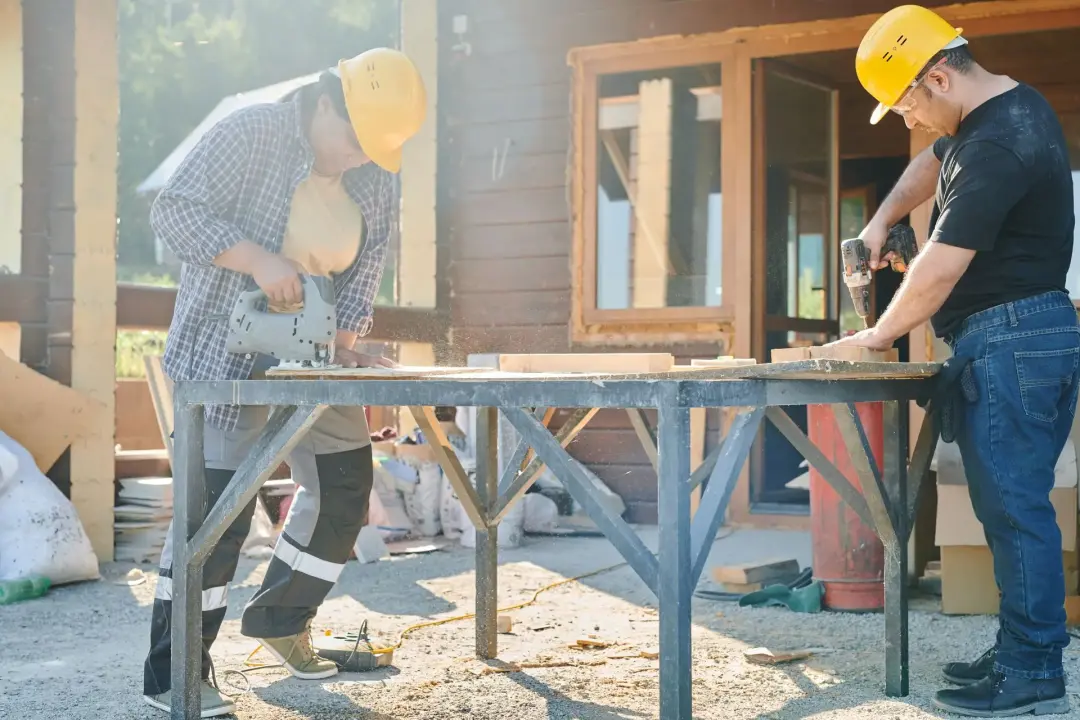
A double-storey extension can add space upstairs and downstairs. It may be useful if you need an extra bedroom, bathroom, or larger first-floor layout as well as more ground floor space. It can offer strong value because the foundations and roof serve two levels, but it is also more likely to need careful planning.
A wraparound extension combines side and rear space. It can create a large open-plan area, but it is more complex and often costs more. The best choice is not always the biggest. It is the one that improves how your home works.
Measure the Space You Have
Accurate measurements help you understand what is possible before you become attached to a design. Start by measuring the outside space where the extension may go. Look at the width, depth, boundaries, garden size, side access, drains, trees, sheds, steps, and any changes in ground level. These features can affect both the design and the cost.
It is also important to measure inside the house. The extension must connect well with the rooms you already have. A large new room can still feel awkward if the doorway is in the wrong place or if the existing room becomes dark. Measure wall lengths, ceiling heights, window positions, chimney breasts, doors, and the location of services such as water, gas, and electrics.
Think about the space you will lose as well as the space you will gain. A rear extension may reduce garden depth. A side extension may remove useful side access. A larger ground floor may need more storage, heating, and lighting. These details matter in daily life.
Professional measured drawings are usually needed before detailed plans are prepared. Even so, doing your own early checks helps you understand the limits of the site. It can also help you ask better questions when speaking with a designer or builder.
Choose a Design That Suits Your Home
A good extension should feel connected to the original house. This does not always mean it has to copy every detail, but it should respect the shape, age, and style of the building. A design that looks right from outside and works well inside will usually have the best long-term value.
Start by looking at the existing materials. Brick colour, roof tiles, window style, door shape, and the line of the roof all affect the final look. Some homeowners prefer a matching extension, where the new walls and roof blend with the old house. Others prefer a more modern design with clear contrast, such as large glazing, simple lines, or a different finish. Both can work if handled carefully.
The design should also suit the street. An extension that feels too large or out of place can cause planning problems and may not age well. If your home is in a sensitive area, the local council may expect more care with materials, height, and shape.
Inside, the design should support how you live. Think about where people will sit, cook, eat, work, walk, and store things. A beautiful extension that feels difficult to use will soon become frustrating. The best design balances appearance, comfort, light, privacy, and practical daily use.
Make the Most of Natural Light
Natural light can make an extension feel larger, warmer, and more welcoming. It is especially important because adding space at the back or side of a house can make the original rooms darker. Planning light early will help the whole home feel balanced.
Start by thinking about where the sun moves during the day. A south-facing room may get strong sunlight, while a north-facing room may need more help to feel bright. East-facing spaces may be lighter in the morning, while west-facing spaces may catch the evening sun. These patterns affect where you place windows, doors, roof lights, and seating areas.
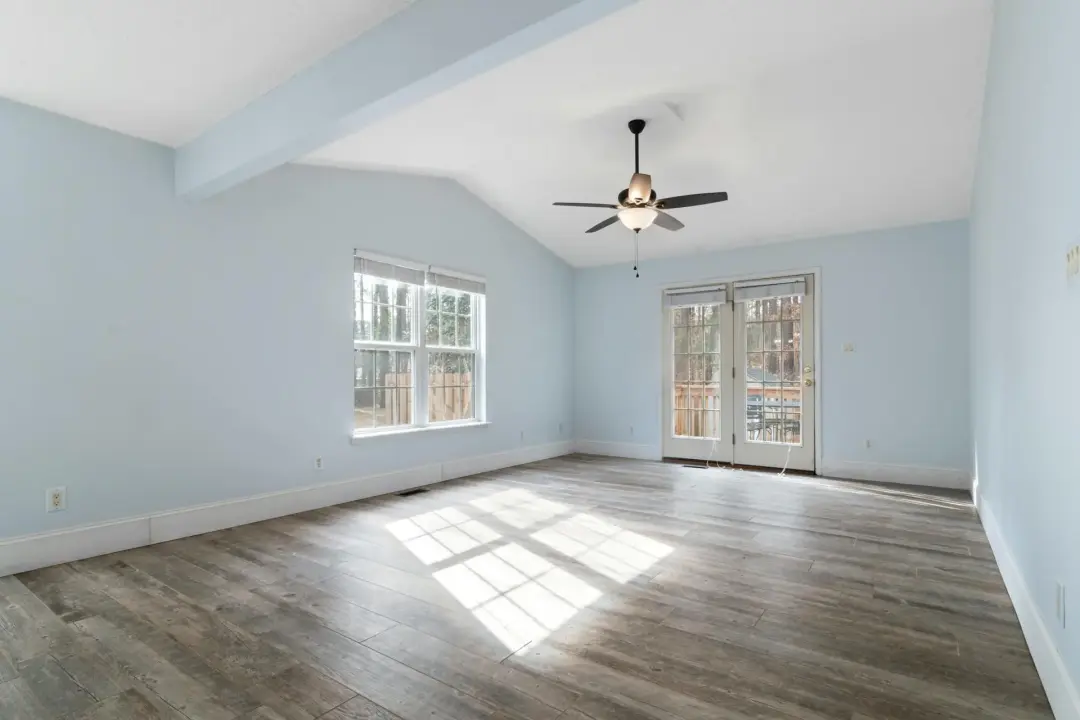
Roof lights can be very useful in single-storey extensions because they bring light from above. Large doors can create a strong link to the garden. Internal glazed doors or wider openings can help light travel into the older part of the house. However, more glass is not always better. Too much glazing can cause heat loss, glare, or overheating if it is not planned properly.
Privacy also matters. Side windows may overlook neighbours or be overlooked by them. High-level windows, roof lights, or carefully placed glazing can bring in light without reducing privacy.
A bright extension is not only about glass. Pale walls, simple layouts, good artificial lighting, and clear views through the space all help the room feel open.
Plan the Layout Carefully
The layout decides whether the extension works well every day. Before choosing finishes, think about how people will move through the space. A good layout should feel natural. You should not have to walk around furniture, squeeze past a table, or cross the kitchen every time someone enters the garden.
If the extension is for a kitchen, think about cooking, storage, washing up, bins, dining, and access to the garden. A large island may look attractive, but it needs enough space around it. If the extension is for a family room, think about seating, television position, toys, books, noise, and where coats and shoes will go. If it is for a home office, think about light, sockets, quiet, and a clear background for video calls.
Open-plan layouts can feel spacious, but they need careful planning. Without some separation, noise and clutter can spread. You may want different zones for cooking, eating, relaxing, and working. These zones can be created with furniture, lighting, flooring, ceiling changes, or partial walls.
Also think about the rooms next to the extension. Do they still have a purpose? Is there enough storage? Is there a route to a toilet? A strong layout considers the whole ground floor, not just the new area.
Speak to Your Neighbours Early
Speaking to your neighbours early can make the extension process smoother. Even when you have the right to build, your project may affect them for a time. They may notice noise, dust, scaffolding, deliveries, parking changes, or loss of light during the work. A calm conversation before plans are submitted can reduce worry and avoid surprise.
Show them the main idea, not just the finished design. Explain where the extension will go, how high it may be, and how long the work might last. You do not need to let neighbours control your project, but it is helpful to listen to reasonable concerns. A small design change, such as moving a window or changing a fence detail, may prevent a bigger disagreement later.
If your work is close to a shared wall or boundary, you may need to follow party wall procedures. This is separate from planning permission and building regulations. It can apply when building near a boundary, cutting into a shared wall, or excavating close to nearby structures.
Good communication also helps once builders arrive. Tell neighbours about likely start dates, working hours, and any days when access or noise may be worse. A respectful approach does not remove every problem, but it can keep relations more positive during a stressful project.
Find the Right Builder
The builder you choose will have a major effect on the quality, cost, and stress level of your extension. A good builder should understand the type of work you need, communicate clearly, price the job properly, and manage the site safely. Do not choose someone only because they can start quickly or offer the lowest price.
Start by looking for builders with experience in similar extensions. A company that mainly builds new houses may not be the best choice for a complex extension to an older home. Ask to see recent work and speak to past clients if possible. Look for signs of good organisation, such as clear written quotes, insurance details, realistic timescales, and a willingness to explain the process.
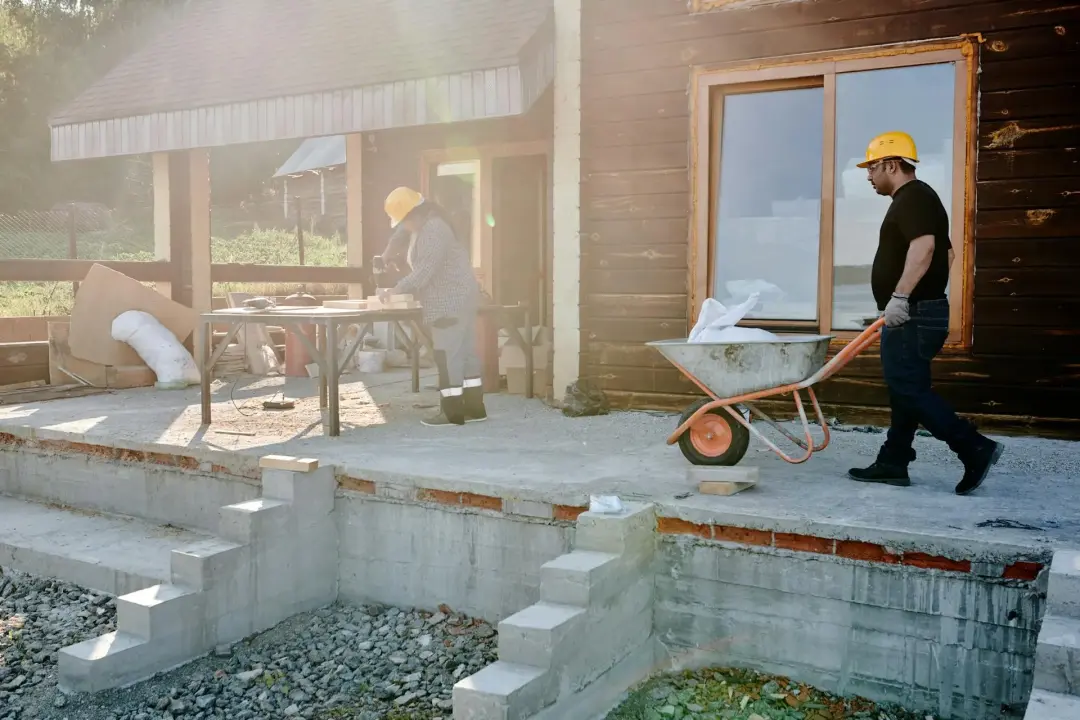
A strong builder should ask questions before pricing. They will want drawings, structural details, access information, finish choices, and service details. A vague quote based on a quick visit can lead to disputes later.
Communication style matters too. You will need to speak with the builder often, especially when decisions or problems arise. Choose someone who answers clearly and treats your questions with respect.
Before work starts, agree what is included, what is not included, payment stages, working hours, waste removal, security, and how changes will be priced. A clear agreement protects both sides.
Get More Than One Quote
Getting more than one quote helps you understand the true cost of your extension. Prices can vary widely, and a single quote does not show whether the cost is fair. Aim to compare quotes from builders who have priced the same drawings, details, and finish level. Otherwise, the comparison may not be useful.
A good quote should be detailed. It should explain what is included for foundations, walls, roof, insulation, windows, doors, plumbing, electrics, plastering, flooring, decoration, waste removal, and site setup. It should also say what is excluded. Common exclusions include kitchen units, bathroom fittings, planning fees, building control fees, structural engineer fees, landscaping, and decorating.
Do not assume the cheapest quote is the best. A low price may mean that important items are missing, the builder has misunderstood the project, or the finish is lower than expected. This can lead to extra charges once the work has started.
When comparing quotes, look at the full picture. Consider the builder’s experience, availability, detail, payment terms, communication, and client feedback. Ask questions about anything unclear. A good builder will not mind explaining their price.
It is also useful to keep a written record of each quote and any changes. This makes it easier to compare fairly and avoid confusion later.
Plan for Disruption During the Work
A house extension can disrupt daily life, especially if you stay in the property while the work is taking place. There may be noise, dust, blocked rooms, reduced privacy, and limited access to the kitchen, garden, or bathroom. Planning for this in advance can make the process easier.
Think about which parts of the house will be affected first. If the kitchen will be removed, set up a temporary cooking area with a kettle, microwave, fridge, and basic storage. If the work affects a bathroom, check whether another toilet or washing space will remain usable. If you work from home, you may need a quieter room or another place to work during noisy stages.
Dust control is important. Builders can use temporary screens, sealed doors, and regular cleaning, but dust may still spread. Protect furniture, move valuable items, and keep children and pets away from the site.
Access also needs planning. Builders may need space for skips, materials, tools, and deliveries. If your home has narrow access, this should be discussed before work starts.
Disruption is easier to manage when you know what is coming. Ask the builder which stages will be most difficult. Then plan around them, rather than reacting once the house is already unsettled.
Keep Track of Timescales
Timescales are important because an extension affects your home, budget, and routine. Before work starts, ask for a clear programme that explains the main stages. This does not have to list every small task, but it should show the order of work, such as site setup, foundations, drainage, walls, roof, windows, first fix services, plastering, second fix, decoration, and final checks.
Be aware that timescales can change. Bad weather, delayed materials, planning issues, building control checks, hidden problems, and changes to the design can all affect the finish date. Even a well-run project needs some flexibility.
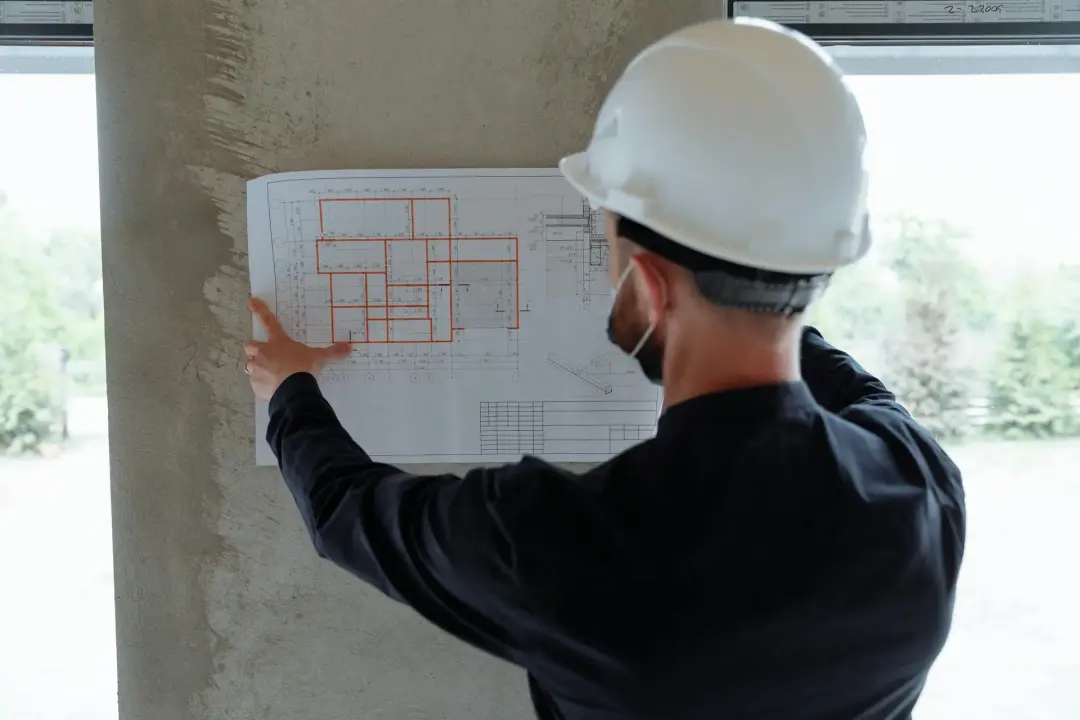
Regular communication helps you stay in control. Agree how often you will receive updates and who your main contact will be. A short weekly review can help you understand what has been done, what happens next, and whether any decisions are needed from you.
Some delays are caused by late choices. If you do not choose windows, tiles, flooring, kitchen units, or lights in time, the builder may not be able to continue smoothly. Make key decisions early and check delivery times.
Keeping track of timescales does not mean chasing every small detail. It means understanding the main plan, spotting risks early, and making sure your choices do not hold up the work.
Prepare for Extra Costs
Even with careful planning, extra costs can appear during a house extension. Older homes can hide problems behind walls, under floors, or below ground. Once work begins, builders may find weak foundations, damaged drains, poor wiring, damp, uneven floors, or structural issues that were not visible before.
Some extra costs come from design changes along the way. You may decide to upgrade doors, add roof lights, move a wall, change flooring, or improve the kitchen layout. Each change may affect labour, materials, time, and other parts of the build. Small changes can add up quickly.
There may also be costs linked to services. Moving drains, upgrading electrics, changing heating, adding ventilation, or improving water pressure can increase the budget. External work is sometimes forgotten too. Patios, steps, garden repairs, fencing, and paths may be needed once the extension is complete.
The safest approach is to include a contingency amount from the start. This is money set aside for genuine unknowns, not for planned upgrades. Keep it separate from your main budget and only use it when needed.
Add the Finishing Touches
The finishing touches help turn the extension from a building project into a comfortable part of your home. These details should not be left until the last minute because they affect how the space looks, feels, and works. Flooring, lighting, paint colours, handles, sockets, blinds, shelving, and furniture all make a difference.
It's best to begin with all the practical details. Check that there are enough sockets in the right places. Think about where lamps, chargers, appliances, speakers, and desks may go. Plan lighting in layers, with general lighting, task lighting, and softer lighting for evenings. This makes the room more flexible.
Storage is another important finishing touch. A new extension can quickly become cluttered if there is nowhere to put everyday items. Built-in cupboards, bench storage, pantry space, or simple shelving can keep the room tidy.
Make sure to choose finishes that suit your lifestyle. A family kitchen may need durable flooring and wipeable paint. A quiet sitting area may need softer textures and warmer lighting. A garden-facing room may need blinds or curtains to manage glare and privacy.
Do not forget the outside. Steps, paving, planting, lighting, and drainage can affect how well the extension connects to the garden. When the final details are planned carefully, the extension feels finished, useful, and personal.
At Elevasion Property Group, we're here to help with all manner of property development. If you're in the process of extending your home and want some expert assistance or advice, give our team a call today for more details.